

Construction work gets messy when records fall apart. Small gaps in information slow teams down. One person thinks a task is done. Another thinks it never began. Old photos sit in random folders with no link to place or time. Notes vanish in long threads. When this happens, teams redo work that looked finished. Money slips away. Time goes fast. Tension rises on-site. A clear record keeps things honest and calm. It gives everyone the same view of what really happened at each step.
What a full visual record looks like
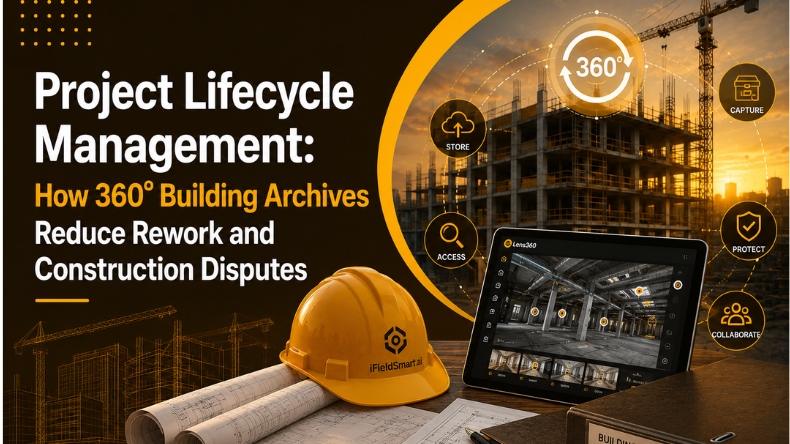
A 360 degree archive freezes each space in a wide view that feels close to standing there. Each capture ties to a point on the plan. Rooms can be walked through on screen. Anyone can inspect small details without stepping on site. The image includes the walls, floors, ceiling, pipes, wiring, and other components that will be concealed later. Smart tools like iFieldSmart’s Lens360, the system sort images by date and trade. Some checks get handled by AI and by experts who know what to look for. The archive becomes a living memory of the space from day one. It stays there long after the job is done.
How rework drops with clear proof
Rework often starts when teams rely on guesswork. A worker opens a wall because no one remembers where the pipe runs. Another fixes a surface that was never damaged. A quick look at a dated 360 image stops that. It reveals what was built, when it was built, and how changes occurred after that. Problems are identified in advance. Crews catch misaligned wires or pipes before boards cover them up. Small fixes stay small. That protects both the budget and schedule. Work keeps moving without sudden pauses that drain crew morale. A solid visual record gives teams confidence in each step.
Work Smarter, Not Harder
iFieldSmart empowers your team with AI-driven efficiency to simplify scheduling, boost collaboration, and keep projects on track.
Schedule a MeetingWhy disputes fade when evidence is strong
Arguments grow when memories clash. A subcontractor says the work was done right. The owner thinks the work was delayed. The GC holds one set of notes. The field holds another. A dated image quiets the room. Everyone sees the same truth. The archive shows condition, progress, and sequence in a simple form. It saves all sides from long mail chains and tense calls. It even helps if a claim reaches legal review. Clear proof cuts the noise. Many disputes stop before they turn into formal claims because the facts are no longer up for debate.
How each phase gains from the archive
The value of the archive starts before the first tool hits the ground. Teams capture the site during early reviews. That keeps the record of existing conditions honest. When work shifts to foundations and below ground tasks, the archive shows what lies under soil and concrete. Framing and structure work get checked with each major change. MEP rough in becomes easier to track because pipes and lines stay visible in the record even after walls close. Finish stages benefit from photo checks before sign-off. At closeout, owners receive a full visual handover that helps them run the building with clarity.
Why linking systems makes the archive stronger
The archive grows stronger when tied to daily tasks. Images can sit beside RFIs and notes. They can sit beside daily reports and drawings. Simple links help teams act faster. No one needs to jump across many systems to confirm a detail. The flow feels natural when photos line up with the actual plan and scope. This keeps admin work smaller and less tiring. It also lowers the risk of mistakes that come from switching tools all day.
Repeatable habits that help every job
Good capture habits turn the archive from a tool into a routine. Teams follow the same steps on each job. They capture the same points at the same stages. They use the same tags and dates. New staff learn the system without stress because the pattern stays steady. Owners appreciate the same structure from one project to the next. Uniform records help during audits and claims. A simple routine builds trust over time.
How savings show up in daily work
The savings from strong documentation show up in ways that feel very real. Less rework means fewer calls to redo tasks that should have stayed closed. Smoother checks help crews finish faster. Shorter closeout cuts long hours spent pulling files together. Owners start operations with a clear record. They can solve issues without guessing. That lowers risk during the early months of running the building. Over time, the archive helps plan repairs and care without blind spots.
Steps to start with a small plan
A small plan works fine at the start. Teams pick a few key points to capture. They pick times that match major stages. One person on-site guides the habit. Images stay tagged in a simple way with dates and trade details. The folder stays clean and clear. Weekly reviews keep the record sharp. Owners and key partners get access, so everyone stays aligned. Once the habit sets in, more captures can be added.
Simple tips that keep the archive clean
Captures work best before walls close and right after big installs. Tags make the record easy to search. A tidy folder keeps the mind tidy, too. Weekly checks find gaps early. Expert reviews help when teams want another pair of eyes. Linking images to notes and RFIs helps when questions come up. These small steps keep the archive useful instead of cluttered.
Things that weaken the record
Poor habits hurt the archive. Missing tags slow the search for answers. Gaps in capture leave blind spots. Strict access rules can stop teams from finding key files. Too many random images slow the system. A short set of rules keeps the record strong. Regular checks stop small issues from spreading.
Value in legal and trust matters
A dated image is a strong tool in tough moments. Courts and review teams trust clear visual proof. The archive shows exactly what was there and when. It backs up reports without replacing them. It shortens long talks and helps settle issues. Many conflicts end early because the record answers the question before it becomes an argument.
A steady note to close
Buildings hold long stories. A good as built documentation keeps the records safe. It gives teams a shared memory. It cuts rework. It lowers claims. It keeps stress down. It grows with the project and stays useful after handover. A clear captures at the right time can save hours of trouble. When everyone sees the same truth, work flows with less push and pull. That quiet clarity brings real value to every project.