

Improving Coordination Through Early Visibility
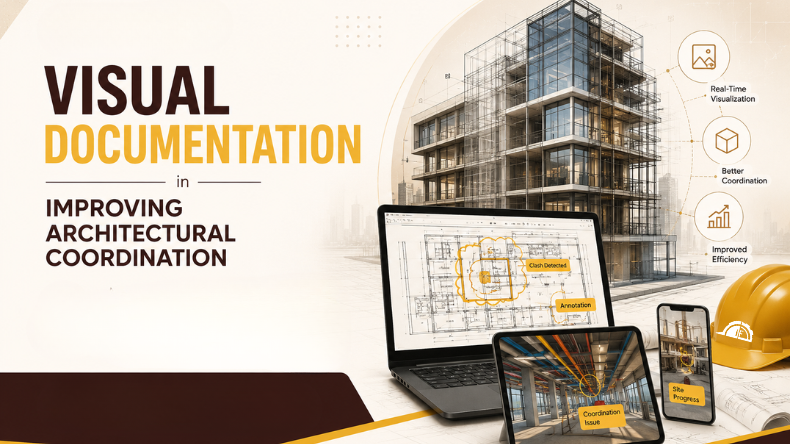
Architectural work depends on alignment. Plans. People. Timing. Small misses grow fast when teams work apart. Visual documentation helps to identify coordination issues early by giving every stakeholder a shared view of the project’s current conditions. It gives everyone a clear view of the current site conditions, recent changes, and areas that need attention.
Drawings explain intent. Photos show reality. Video fills the space between them. When these live together, coordination improves. Not in theory. In daily work. A quick look answers questions faster than a long call. A marked image clears doubt better than a long note.
On most projects, issues do not start big. A shifted wall. A pipe is too close. A slab edge that sits a bit wrong. These slip through when teams rely on memory or text alone. Visual records slow that drift. They hold details in place. They keep the story straight.
Work Smarter, Not Harder
iFieldSmart empowers your team with AI-driven efficiency to simplify scheduling, boost collaboration, and keep projects on track.
Schedule a MeetingWhy Architects Struggle With Coordination
Architects sit at the center of many decisions. They answer to owners. They guide engineers. They respond to site teams. Each group sees the project from a different angle. That makes clarity hard.
Emails pile up. Markups stack. Old files stay in use. Someone reads the wrong sheet. Someone builds from a past version. No one meant harm. Still, the result hurts time and trust.
Words often fail here. Text leaves room for guesswork. A sentence can sound clear yet be wrong. Visual proof removes that gap. It shows the issue as it stands. No spin. No blur.
This is where shared visual records start to matter more than talk.
Visual Records As a Shared Language
Photos and videos work as a common language. They cut across roles. A site lead. A designer. A client. All can read the same image.
When teams tag drawings with site photos, context locks in. The drawing shows intent. The photo shows the outcome. The gap between them becomes clear. That gap is where fixes begin.
Video adds depth. It shows scale. It shows a sequence. It shows how trades overlap. A short walk through a space often reveals issues that static views miss. Door swings. Head clearances. Light paths. These are easier to feel than explain.
This shared view lowers friction. Fewer debates. Fewer long threads. More nods of agreement.
Linking Design Intent to Site Reality
One major pain point sits between plan and build. What looks clean on screen may clash on site. Visual documentation helps spot that early.
When site teams upload current photos, architects can compare them against the model. This side-by-side view catches drift fast. A wall was placed early, but wrong. A sleeve was missed before a pour. These cost little when caught early. They cost plenty when missed.
The value comes from timing. Visual updates need to stay current. Old images lose trust. Fresh ones invite action. When architects see near real-time site views, feedback becomes useful. Not late. Not vague.
This loop keeps design intent alive during build. It stops the slow erosion that happens when checks wait too long.
Reducing Back and Forth Through Clarity
Many coordination issues drag on because no one feels sure. Each reply adds words but not truth. Visual proof cuts that cycle short.
A marked photo answers questions in seconds. A video clip shows the clash without debate. Everyone sees the same thing. That shared view calms tension.
Architects often spend hours explaining why something feels wrong. With visual context, that effort drops. The issue explains itself. The fix feels obvious.
This also helps with tone. Images reduce blame. They feel neutral. They shift the talk from who to what. That keeps teams focused on work.
Maintaining Coordination Through Project Changes
Projects change. That part never stops. What hurts is losing track of those changes. Visual documentation helps keep a clear trail.
Each update shows what shifted. When paired with date and location, the record stays strong. Architects can trace decisions back with ease. No guesswork. No memory test.
This matters during reviews. It matters during disputes. It matters when teams change mid-job. A new person can scan visuals and catch up fast.
Clear visual history builds confidence. Teams trust the record. Decisions feel grounded. Fewer surprises show up late.
Improving Coordination With Consultants
Architectural work ties into many systems. Structure. MEP. Interiors. Facade. Each has its own needs. Visual documentation helps align them.
When consultants see site images early, feedback improves. They react to facts, not assumptions. A duct route looks fine on the plan, but clashes in place. A photo flags that fast.
This shared view also helps during virtual reviews. Teams spread across cities can still feel close to the site. The distance shrinks. The work sharpens.
Clear visuals also support faster approvals. Stakeholders grasp issues quickly. They respond with confidence.
Helping Clients Stay Informed
Clients often feel lost during the build. Drawings feel abstract. Schedules feel dense. Visual updates help them stay grounded.
A simple image with light notes goes far. It shows progress. It shows care. It builds trust. Clients feel included without being overwhelmed.
When design questions arise, visuals help guide choices. A photo shows how light falls. A short clip shows how people move through space. These details help clients respond with clarity.
Better client insight leads to smoother decisions. That steadies the project pace.
Avoiding Rework Through Early Insight
Rework drains time and morale. Much of it comes from blind spots. Visual records shine light into those areas.
Seeing work as it happens allows early course correction. Small fixes stay small. They do not snowball into major tear-outs.
Architects gain a stronger grip on quality. They spot patterns. They learn where issues repeat. That insight feeds back into design thinking on future work.
Over time, teams grow sharper. Fewer lessons repeat. Visual proof supports that growth.
Supporting Clear Field Communication
Site teams move fast. They need clear input. Long notes slow them down. Visual guidance fits their pace.
When architects mark up photos, intent becomes clear. Arrows. Circles. Short notes. These guide actions are better than text blocks.
This also reduces call volume. Fewer clarifications. Less waiting. Work keeps moving.
The key lies in simplicity. One image. One point. Clear action. That rhythm works well in the field.
Building Trust Across the Team
Trust grows when teams feel seen and heard. Visual documentation supports that trust.
When architects respond to real site images, site teams feel supported. When site teams see their updates lead to action, they stay engaged.
This shared loop builds respect. Each role feels valued. The project tone improves.
That human side matters. Projects run on people, not files. Visual tools support that human link.
Keeping Coordination Human and Grounded
Technology alone does not fix coordination. How it gets used matters more. Visual documentation works best when it stays simple and human.
The goal is not perfect records. It is a clear understanding. Photos do not need to look polished. They need to tell the truth.
A bit of mess helps. Dust. Tape. Temporary marks. These show the real state. They spark better questions. Effective visual documentation prioritizes accuracy over presentation. Authentic site images provide teams with a clear understanding of actual conditions, enabling better coordination and more informed decisions.
The Role of Structured Visual Platforms
Random images help less than organized ones. Structure gives visuals power.
When photos link to plans, areas, and tasks, the meaning deepens. Architects can move from overview to detail with ease. They see context without digging.
This structure saves time. It also reduces errors. The right image sits in the right place. Confusion drops.
A strong system supports consistent use. Teams trust it. They rely on it.
Visual Documentation As a Daily Habit
The real gain comes when visual updates become routine. Not special. Not rare.
Daily or weekly uploads keep everyone aligned. Small effort. Big return.
Architects stay connected to the site. They do not drift into guesswork. Feedback stays relevant.
This habit builds rhythm. The project breathes better.
Looking Ahead
The role of visual documentation keeps growing. Cameras get better. Access gets easier. But the core need stays the same.
People need to see to understand. They need a shared truth. Visual records meet that need.
What works best might depend on the team. Some prefer photos. Others lean on video. That choice can stay flexible.
The key is intent. Use visuals to support people. Use them to reduce friction. Use them to keep work honest.
Many coordination challenges begin with missed information. 360 Visual documentation helps teams identify those gaps early, creating a shared understanding that leads to better decisions and smoother project delivery.