
The Circular Economy: A Paradigm Shift
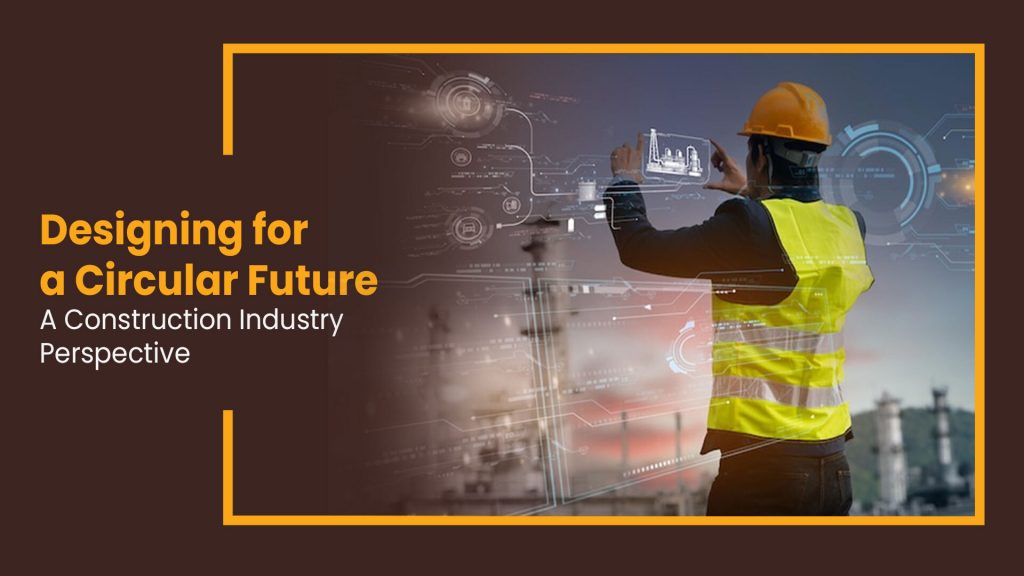
The construction industry, a major consumer of resources, has a significant opportunity to embrace a more sustainable future. The circular economy, a model that prioritizes resource efficiency and waste reduction, offers a promising path forward.
The circular economy is a paradigm shift from the traditional linear model of “take-make-dispose.” It promotes a continuous cycle of production, consumption, and regeneration, minimizing waste and pollution.
.
Work Smarter, Not Harder
iFieldSmart empowers your team with AI-driven efficiency to simplify scheduling, boost collaboration, and keep projects on track.
Schedule a MeetingKey Principles of Circular Design in Construction
- Reduce waste: Design buildings and infrastructure to minimize waste throughout their lifecycle.
- Reuse and recycle: Incorporate recycled materials and promote the reuse and repurposing of building components.
- Extend product life: Design for durability, repairability, and upgradability.
- Minimize energy consumption: Optimize building design and operations for energy efficiency.
.
Benefits of Circular Construction
- Environmental sustainability: Reduce carbon emissions, conserve resources, and protect ecosystems.
- Economic advantages: Lower costs, increased resource efficiency, and new business opportunities.
- Social benefits: Create jobs, improve local economies, and enhance community well-being.
.
Challenges and Opportunities
Transitioning to a circular economy requires a systemic shift in thinking and practices. Challenges include:
- Infrastructure limitations: Lack of facilities for recycling and reuse.
- Regulatory barriers: Outdated regulations that hinder circular practices.
- Consumer behavior: Educating consumers about the benefits of circular products.
Despite these challenges, the opportunities for innovation and sustainability are immense. By embracing circular design principles, the construction industry can play a vital role in building a more sustainable future.
The circular economy is not just a trend; it’s a necessity for the construction industry. By designing for a circular future, we can reduce our environmental impact, improve economic resilience, and create a more sustainable world.
The circular economy offers a promising path forward, but it requires a paradigm shift in thinking and practice.
.
Are you ready to embrace this new model and unlock its potential?
visit : www.ifieldsmart.com