
Design-build integrates the design and build phases and fosters collaboration and integration during the process. However, the intent behind a design choice can easily get miscommunicated during all the handoffs. A designer knows why a detail was drawn the way it was. The question is whether that reasoning still lives somewhere accessible by the time it matters in the field.
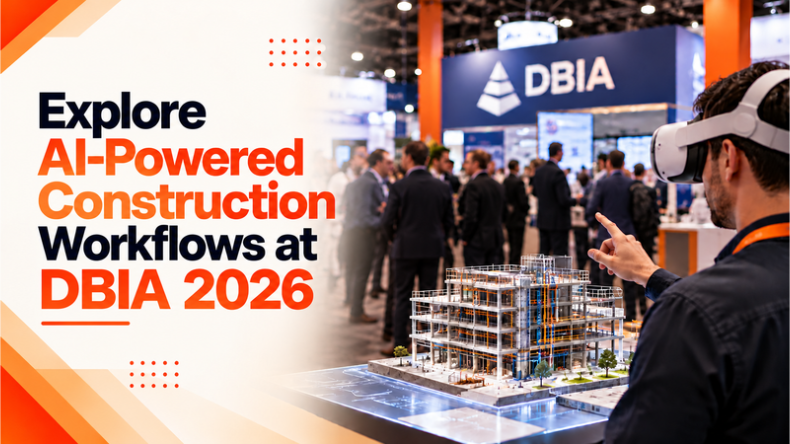
AI-powered workflows aim at those handoffs. Paired with BIM, reality capture, and mixed reality, they can help teams make faster decisions grounded in design intent, not memory. We’re bringing this to DBIA 2026 and would like to walk you through how it works on a real project.
Where Design Intent Gets Lost
Picture the route a single design decision travels. A designer revises a structural member. A VDC coordinator updates the model. A superintendent adjusts the sequence. A crew installs. At every step, the original reasoning for the change — the why behind it — has one more chance to get dropped or misread.
Work Smarter, Not Harder
iFieldSmart empowers your team with AI-driven efficiency to simplify scheduling, boost collaboration, and keep projects on track.
Schedule a MeetingLinked workflows can help identify the key information. This lets people see the full scope of change and brings in the right subject matter expert. They don’t make any decisions for anyone. They give people the right information to make decisions faster and more confidently.
Turning Design Reviews into Better Decisions
Constructability asks a practical question: can this be built, reached, and maintained? However, this depends on the specifications, design considerations, installation limitations and the order of operations. Reviewing those requires pulling from multiple documents to find the information relevant to the project’s current stage. Our AI can identify and synthesize relevant design criteria, installation sequences, and related specifications in seconds.
Design changes raise the stakes. Imagine a deeper structural member over a corridor. Last-minute revisions occur, such as altering a duct route, reducing a ceiling clearance, etc. Our AI identifies the affected specifications, flags the relevant code sections, and pulls the related RFIs. The team makes the decision. The AI makes sure they have what they need to make it.
Clashes Are the Start of the Conversation
A clash report marks where two systems collide. It doesn’t indicate which collision matters, who should yield, or whether the fix creates a new problem. That is where most of a coordination team’s effort goes: pulling the right documents, finding who owns each system, and establishing the priority order.
AI-assisted retrieval can quickly bring the governing requirements to the table, so the resolution discussion can start with the design basis instead of from memory. Structured tracking then closes each item with a documented decision, not a verbal agreement that gets lost by the next meeting.
Checking the Build Against the Model
A model describes the intended building. The jobsite produces the actual one, shaped by thousands of installation choices and changing conditions. When a difference between the model and the field is caught late, the options narrow fast. Our VDC tools support comparison between the design model and field-captured data, so teams can see where the build diverges before it creates a downstream problem. Paired with 360-degree site capture, the record of what was built becomes searchable and linked to the documentation that governed it.
Stepping Inside with Oculus/Meta Quest
Screens flatten space. Section views make it hard to see how service corridors connect to other parts of the building, and 3D orbits make it hard to see how far service corridors reach. With Meta Quest, a team member can step into the model and look around. A ceiling feels low or clearances feel workable at scale in a way a plan view can’t convey.
The value lies in shared reality. A designer, contractor, and owner can all look at the same drawing and point to the same element, making vague notions of clearances and access become specific concerns or confirmed decisions.
What to Bring to Booth #131
iFieldSmart AI team will discuss AI-assisted workflows, BIM coordination, Lens360 reality capture, and immersive walkthroughs. We will detail specific project examples where these technologies work best and where they don’t. The most useful conversations start with a relevant anecdote. Attendees from design, construction management, VDC, and ownership can bring one and talk through how connected information might help.
Where Better Information Makes the Difference
Every design-build project loses some intent between office and field. The question worth carrying to DBIA 2026 is where better-connected information would recover the most. Stop by Booth #131 on November 4–6 and explore it with the iFieldSmart AI team.