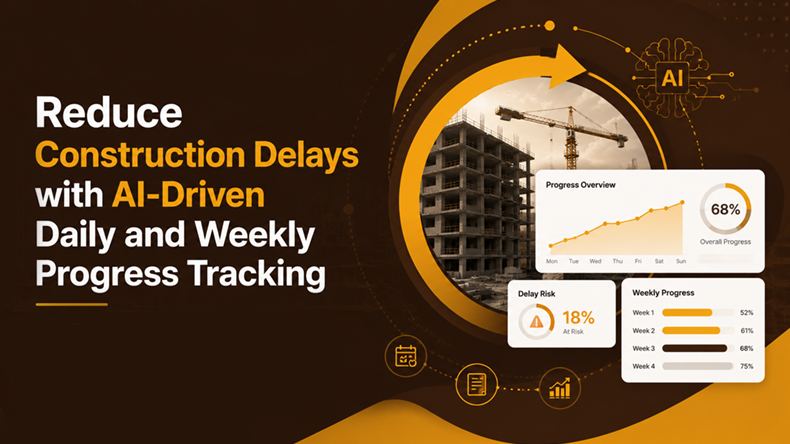


The problem with the delay
Projects fall behind when the site feels unclear. Work piles up. People point fingers. Cash stuck in approvals strains teams. Crews walk the floors with worry on their faces because no one knows what is done for sure. Old logs and loose notes just add to the mess. Photos without context confuse things even more. Each day feels like guesswork. And when that keeps going for weeks, the delay hits hard.
Why proof matters each day
AI-driven tracking gives real proof of work. It ties photos to floor plans and dates. A simple walk with a small 360 camera does the job. The tool in Lens360 marks each image with the room location and time. AI scans the shots and spots what is installed and what is not. It is strange at first to see a machine try to judge a stud or a duct. Yet the human review step keeps it fair. The report then shows the percent complete by room. Everyone sees the same truth at the same time. Pay apps move faster. Fights slow down. Crews get credit for what they finish. Trust grows when the proof stays clear.
How the system works
The process starts with a floor plan and a short walk. A 360 camera swings left and right as the person moves slowly through the space. Images load into the platform. AI marks each part it recognizes. It shows installed items and missing ones. A human checks the work of the AI to make sure nothing feels off. Dashboards then show the progress. Reports line up rooms and dates so people can see work change over time. These simple visuals guide the next steps for the field team and the office.
Work Smarter, Not Harder
iFieldSmart empowers your team with AI-driven efficiency to simplify scheduling, boost collaboration, and keep projects on track.
Schedule a MeetingHow trades use it every week
Drywall crews show weekly percent complete without long talks. MEP teams check progress per room and move labor when needed. Finish trades show small tasks that often get missed. GCs compare actual install against planned scope. That cuts delay caused by missed items between trades. The tool links with Procore or Autodesk, so images push into RFIs or issues fast. A small note on an image can stop a bigger problem later that week. Field teams use these captures to talk through concerns before things slip.
Why long-term gains start to add up
Money flows when progress comes with proof. Teams stop arguing about percent complete. Field crews feel seen. Office staff trust the record. This steady record lowers stress on both sides. Rework drops because small issues show up early. Waste drops too. Schedules feel steadier when jobs do not jump around. A sense of calm moves through the site. The trust between trades and GCs feels stronger. Closeout becomes easier because the full history sits in the reports.
Tips that help adoption
Some crews may resist at first. It helps to start small with one foreman. Show quick wins. Faster pay. Fewer disputes. Let people hold the camera and get used to it. Keep reports short and simple. A few clear images say more than long notes. Room-by-room updates make things more real for the teams. Use these visuals in site meetings instead of long lists that drain energy.
Using reports to support payments
Pay apps become smoother when a report sits behind them. The back-and-forth cuts down fast. Trends show which trades need help. Sometimes a room stalls. Sometimes a trade gets pulled to another floor and leaves a small gap. With weekly tracking, that gap shows up early. GCs act sooner and avoid snowball delays. Everyone breathes a bit easier.
Keeping the field process simple
Field teams do better when things stay simple. Keep the camera close to the crews. Make captures part of the end-of-day routine. Humans decide the final call on what counts. This mix keeps mistakes low. These images guide meetings and talks. People respond better to visuals than, long dry logs.
Watching the right metrics
Use visuals to spot slow areas. Look at the percent complete per room or floor. Compare that with payment pending. That link cuts disputes fast. The tool fits both small and large trades. Count wins by watching faster approvals and fewer claims. Check for drops in rework. Keep the habit going. Results stack up over time.
A small field moment
Some days, a single photo helps more than a long talk. Fresh concrete with morning light over it can show finish quality in a way words never can. That small moment often stops a claim in its tracks. The AI tags help point toward areas that need focus. A human checks the tag and adds a quick note. It is simple but useful.
Writing reports that crews like
Keep reports clear. No long word piles. Use short lines and sharp photos. Use percent complete by room or trade. Add weekly notes that point to the next steps. A friendly tone helps crews and office staff get along. With time, these reports become a shared habit.
What this change brings
As teams use daily and weekly tracking, the site finds a steady rhythm. Delays shrink. Stress drops. Pay cycles smooth out. Morale picks up. The records gain trust. Audits become easier. Closeout feels less wild. It all comes from steady proof of work. One capture leads to another. The project holds its shape.
A final thought
The goal is simple. Less delay. Fair pay. Clear proof. Sometimes a small image settles a long-running debate. That feels good on a tired Friday when people are ready to head home. AI-driven tracking keeps everyone focused on what is actually done. Pick a tool that ties photos to plans. Make it part of the routine. Let humans keep the final say. Share the reports before the site meets. It keeps the talk grounded in facts.
One small step to start
Use these captures to support payments. Watch weekly trends. Act early when a room slows down. Many teams start with a single weekly walk in Lens360. Seeing progress mapped to plans often changes how the whole project communicates. Over time, delays fade. Approvals come quicker. Trust grows. AI helps, but people guide the final story. Start next week with one short walk. Capture a few rooms. You may be surprised how much a single clear image can settle. These small wins build over months. And that shift can change an entire project.
Conclusion
On many projects, delays do not start with one big issue. They build slowly through missed updates, unclear site conditions, and gaps between teams. When people cannot easily confirm what has been completed, small misunderstandings often turn into payment delays, rework, or scheduling problems. Keeping a simple visual record of the site helps teams stay more aligned during day-to-day work.
Many contractors are now making Lens360 powered by iFieldSmart a regular part of their onsite workflow to maintain better visibility across active projects. Simple walkthrough captures with organized visual updates help teams review completed work more clearly and reduce unnecessary follow-up discussions. As these practices become part of the routine, coordination between field crews and office teams becomes more consistent, helping projects stay better connected from day to day.