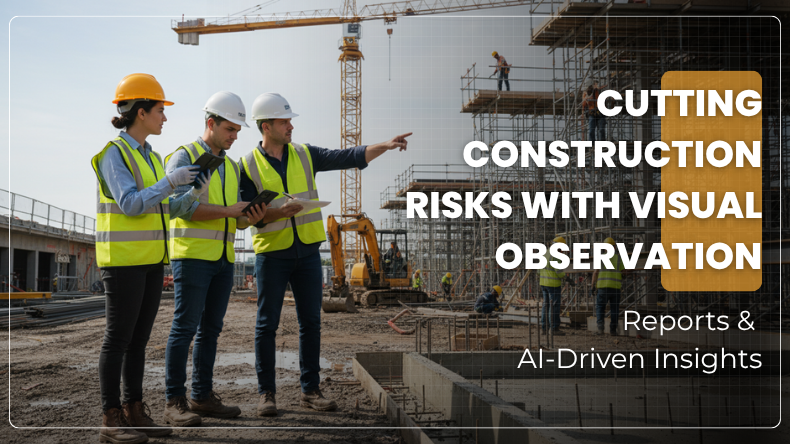


Construction work contains a lot of risks. Mistakes and safety issues can stop progress and raise costs. Old ways of reporting problems take too long. Paper logs, photos in folders, and long email threads waste time. Projects need faster ways to see and fix problems. That’s where visual observation reports help.
What Are Visual Observation Reports
A visual observation report shows real site conditions using photos and notes. It gives a clear view of what’s happening on the jobsite. Instead of guessing results, teams can identify the real problem. Every stakeholder aligns with the same thing.
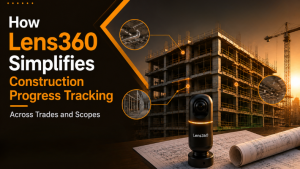
With tools like Lens360 by iFieldSmart, teams can document 360° site images and share reports right away, along with tagging. Each report becomes a snapshot of progress, safety, and quality. It’s faster and easier than writing long descriptions.
Work Smarter, Not Harder
iFieldSmart empowers your team with AI-driven efficiency to simplify scheduling, boost collaboration, and keep projects on track.
Schedule a MeetingWhy Visual Reports Matter
Pictures show the truth. A photo of a crack, a leak, or wrong placement tells more than a sentence. Teams can spot issues early and decide what to do. This helps prevent confusion and arguments.
Photos also serve as proof. They show when and where an issue was found and how it was fixed. If problems are seen again, the records identify the cause. It’s a quick method to keep everyone aligned and informed.
How does AI help?
AI looks at site photos and finds issues faster than people can. It can check if safety gear is missing, if a task is complete, or if work matches the plan. It saves hours that would be spent reviewing hundreds of pictures.
Over time, AI learns what to look for. It notices patterns—like recurring cracks, poor finishes, or slow progress in certain zones. Teams can prevent problems before they turn into greater issues.
Spotting Risks Early
Every project has risks—safety, design errors, or schedule slips. Visual reports powered by AI help catch them sooner. A site photo uploaded on the Lens360 platform is scanned and tagged. Unsafe scaffolding or missing bolts are easy to highlight. The system and field experts mark them so that the right person can fix them.
These small steps add up. Fewer delays. Fewer costly mistakes. Better site safety.
Better Team Communication
Good communication keeps projects moving. But with many teams and trades, messages often get lost. Visual observation reports make updates simple. Everyone sees the same image and notes at the same time.
Supervisors and engineers don’t need to visit the site to understand what is happening. Reports can be viewed online. Comments and updates are added directly. This keeps all teams aligned. No more waiting for long weekly summaries.
Keeping Jobsites Safe
Safety is one area where visual reports shine. AI can find unsafe behavior in photos, like missing helmets or open trenches. It alerts the safety team before an accident happens.
Each report becomes part of the safety record. Managers can track checks, fixes, and compliance with standards. If inspectors visit, they can see proof of regular monitoring. This not only keeps workers safe but also builds trust with clients.
Improving Quality
Every project aims for good quality. But small defects often slip through. Visual observation reports help find these early. Clear images show where a wall isn’t level, a pipe is out of line, or paint is uneven.
AI can help too. It can point out errors by comparing current site photos with design drawings. The team can fix problems before the next stage starts. This reduces rework and helps maintain consistent standards across the site.
Cutting Down Rework
Rework drains time and money. It usually happens when mistakes go unnoticed. With real-time observation reports, issues are seen and fixed quickly. A plumbing error found before tiling is easier to fix than after.
Each early correction saves hours later. Over time, this creates smoother schedules and lowers costs.
Making Smart Calls
Photos and reports build a strong record of every step. Project leaders can study them to find weak areas. If one task always runs late or fails inspection, they can address it early next time. It’s a simple way to improve planning.
Data from visual reports also helps with forecasting. Managers can see which parts of a project often cause trouble and plan resources better. The goal is fewer surprises and better control.
Working with Other Tools
Observation reports connect easily with project software. In Lens360, data links to drawings, schedules, and BIM models. When a problem is tagged, it can show the exact location on the design.
This saves time. No one has to open ten files to understand what’s wrong. It keeps work organized and helps field and office teams stay on the same page.
Clear and Honest Reporting
Owners and clients want visibility. They want to see how the work is progressing. Visual reports make this easy. They show actual photos, not filtered updates. Each report gives clear proof of work done and problems solved.
When updates are this clear, trust grows. Clients know the team is open and responsible. If there’s a delay or cost change, photos help explain why. There’s less debate and more cooperation.
Simplifying Daily Work
Site teams already have heavy workloads. Long reports take time away from real work. Visual tools make reporting quick. Workers can take a photo, add a short note, and upload it. Reports are created automatically.
Project managers can view everything in one dashboard. They can comment and close tasks quickly. This prevents back-and-forth communication and aligns the team.
A quick snapshot of why Lens360 is the ultimate solution – why?
Visual observation reports let you walk the jobsite, capture scenes, and produce a polished report without writing notes. You just use a 360° camera. Lens360’s AI and field engineers analyze images, spot issues, and turn them into a clear report. The report shows what’s wrong, where it is, and which trade is responsible. It brings visuals, tags, written commentary, and location data together into one view. You get a PDF and an online view full of images, maps, and linked documents.
These reports catch mismatches between what’s built and what’s planned. They flag quality or safety issues, model deviations, or coordination errors. Each observation links to a floor plan, trade, or specification item. That makes it simple to act. You can also attach spec sheets, RFIs, or links to related documents. The result: every flagged item has visual proof plus context. This removes guesswork.
Lens360 combines AI and human review. The AI flags suspicious visuals or patterns. Then real engineers verify or refine each observation. This quality control ensures reports don’t just rely on machine guesses. The final product is clear, accurate, and ready to send. You don’t need to format or fix them. Just walk, upload, and wait. Usually within 24–48 hours, depending on the project size.
You control how observations appear and who sees them. You can sort by floor, trade, priority, or category. Observations can be assigned to subcontractors, tracked for status, and updated with responses. You can share via PDF or links. Stakeholders can comment, reply, or review. Reports live in a searchable archive for future reference. In short: visual observation reports turn site captures into actionable, traceable, transparent issue logs.
A Step Toward Safer, Smarter Construction
Visual observation reports make jobsites safer, cleaner, and more efficient. They turn every photo into a piece of useful data. Combined with AI, they help teams act before issues grow into bigger problems.
Future construction will rely more on visuals and smart analysis. Cameras, sensors, and connected platforms will work together. But the goal will stay the same, which includes safer work and better quality.
Conclusion
Construction risks can be reduced. Visual observation reports supported by AI give teams the power to see and fix issues faster. They replace slow, unclear reporting with real proof. They improve safety, quality, and teamwork. When used daily, they make every project more predictable and every site more controlled. Clear visuals lead to better decisions, and better decisions build better results.